Human-to-Robot Interaction: Learning from Video Demonstration for Robot Imitation
Abstract
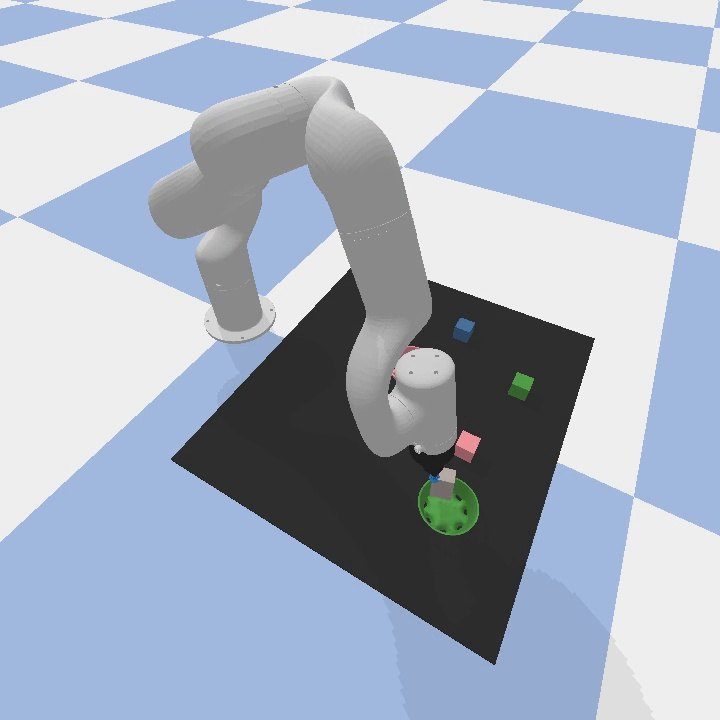
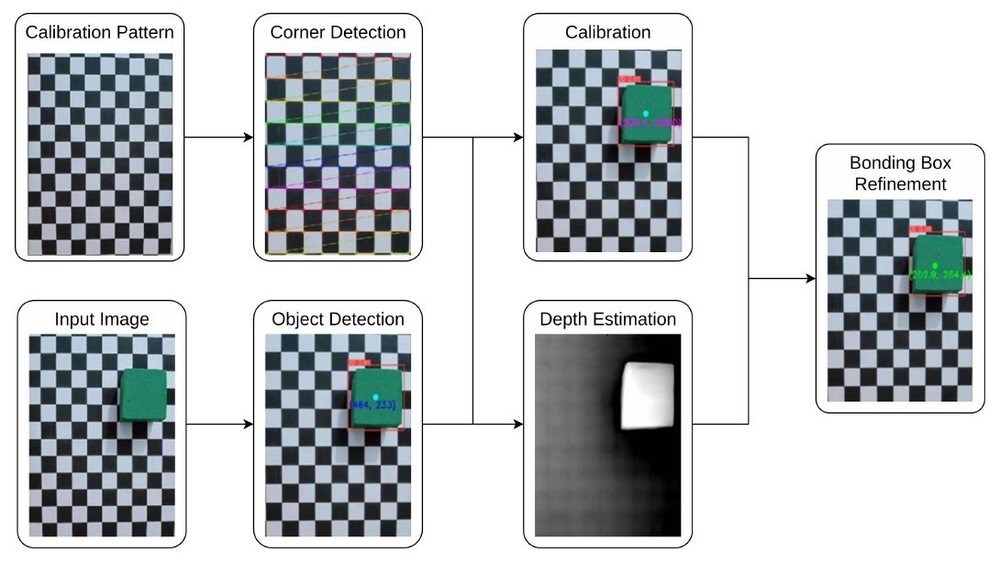
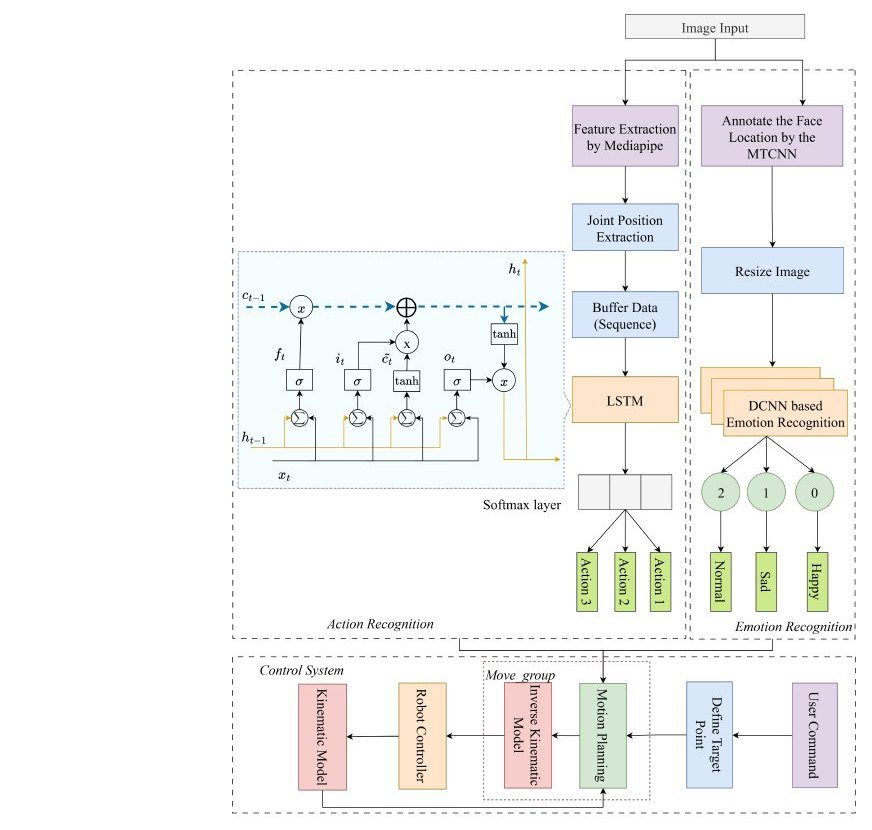
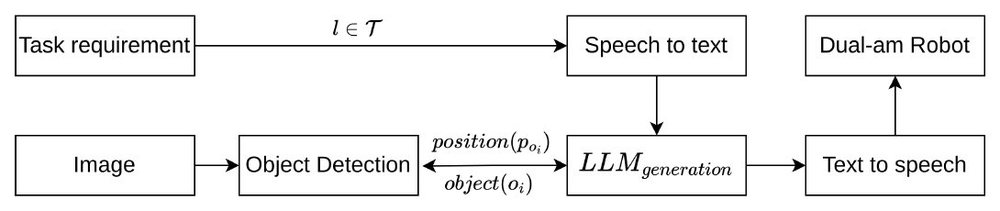
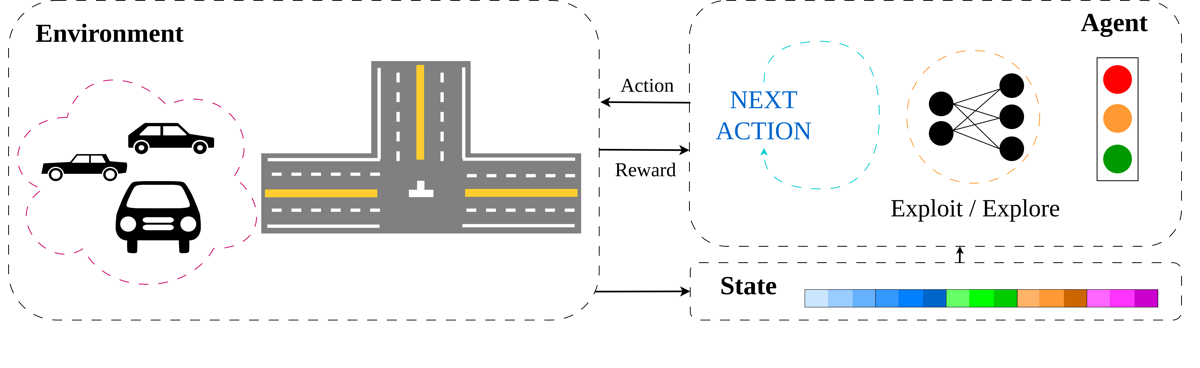
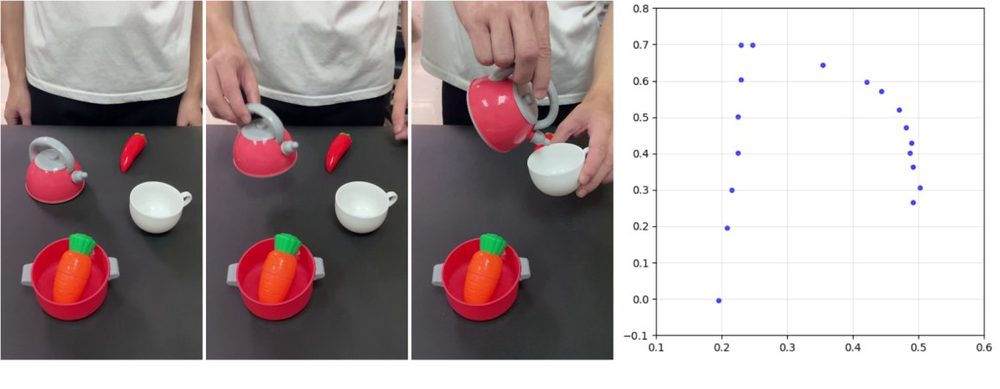
Robotic manipulation through learning from demonstration aims to enable robots to acquire various actions efficiently. Unlike traditional learning from observation-action pairs, which is time-consuming and requires proficiency in coding. Our approach is inspired by the way humans learn and imitate actions in a more flexible and efficient manner by simply "watching" and "repeating" the actions. Inspired by this, we propose a "Human-to-Robot" imitation learning pipeline, which enables robots to learn diverse actions from video demonstrations. Specifically, we explicitly represent each step as two key tasks: (1) understanding the demonstration video and (2) learning the demonstrated manipulations. First, the video description is achieved by focusing on two essential commonsense properties: action understanding and object understanding. We utilize deep Convolutional Neural Networks (CNNs) and Large Vision Models (VLMs) to extract meaningful features related to these properties. Then, for execution, we develop a robot manipulation system built upon a Language Vision-conditioned architectures and Deep Reinforcement Learning. Experiments with real-world video demonstrations. The results show the robustness and adaptability of the two frameworks in various scenarios using a real robotic arm UR5.
BibTeX
@misc{human-to-robot,
  title = {Human-to-Robot Interaction: Learning from Video Demonstration for Robot Imitation},
  author = {Thanh Nguyen Canh and Tuan Thanh Tran and Xiem HoangVan and Nak Young Chong},
  eprint = {2602.19184},
  archivePrefix = {arXiv},
  note = {Preprint, 2nd revision},
  year = {2026}
}