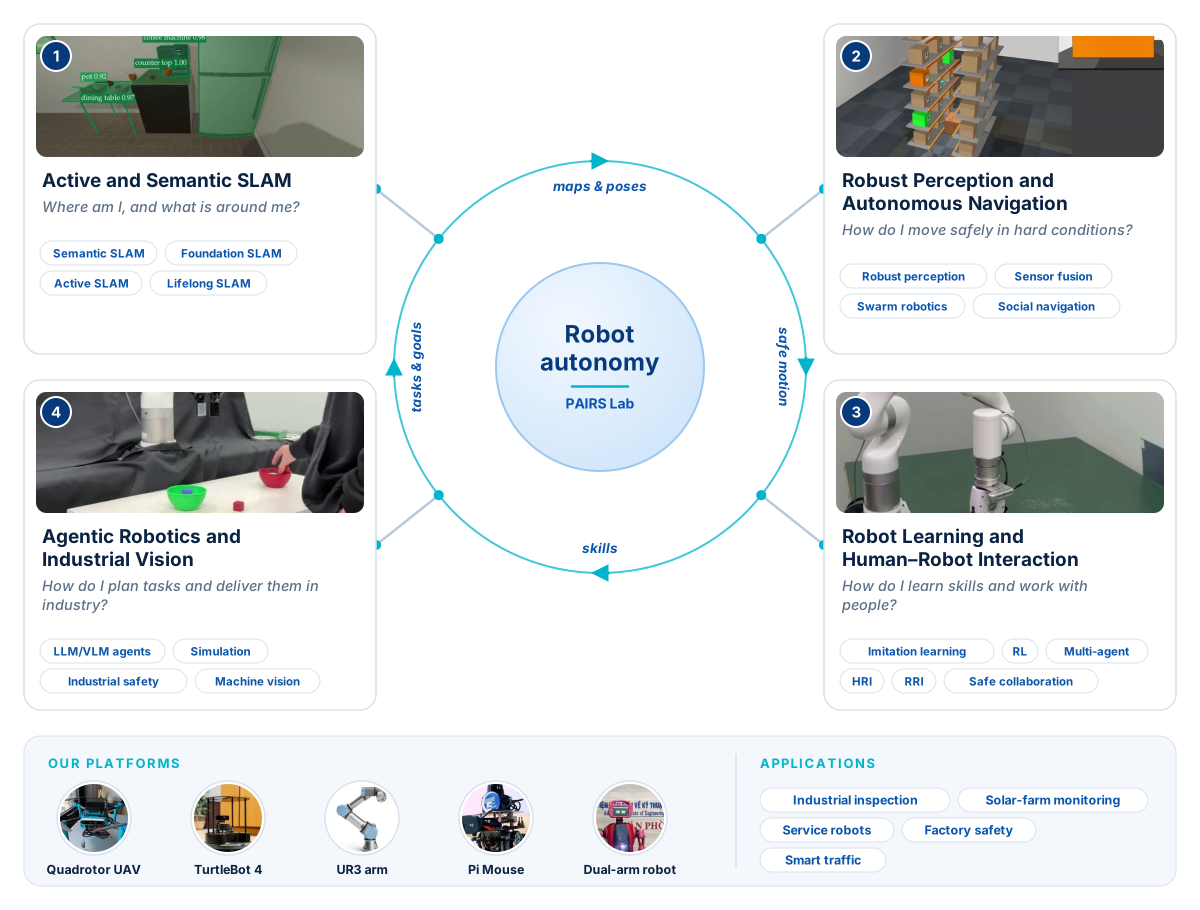
Robot autonomy means machines that perceive their surroundings, build and keep maps of the world, and decide how to act without constant human guidance.
PAIRS Lab builds the perception, mapping and learning that autonomous robots need outside the lab: maps that carry meaning and uncertainty, perception that holds up in hard conditions, robots that learn from people, and agents that plan and coordinate tasks. We test our methods on aerial robots, mobile robots, manipulators and humanoids.
How our four research directions fit together around robot autonomy: each one feeds the next, on our own robot platforms.
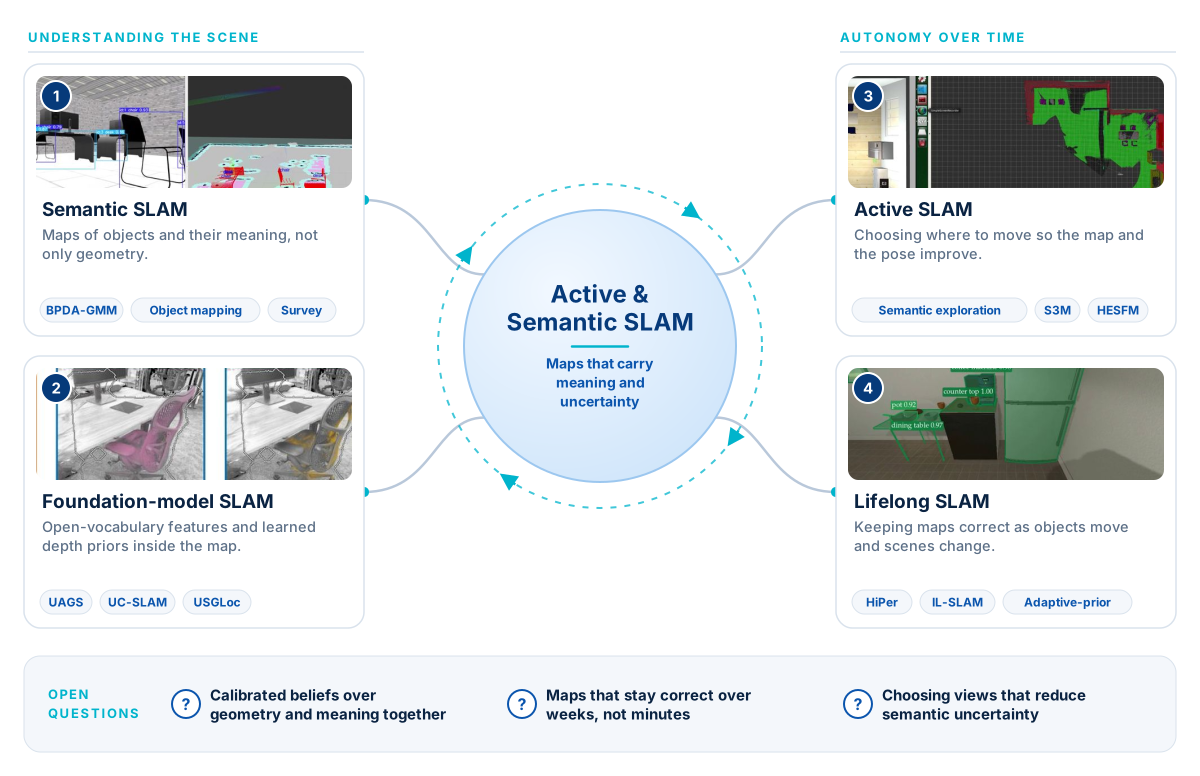
Building meaningful representations of the world for autonomous robots. Our research spans probabilistic semantic mapping and data association, robust visual and RGB-D SLAM in dynamic scenes, Gaussian splatting, and active exploration with UAVs.
The core sub-areas of this direction, illustrated with results from our papers.
Featured projects and demos
Published work and papers under review are marked; each card links its project, paper or code.
Simulation benchmark
RA-L 2026
Bayesian Data Association for Semantic SLAM
BPDA-GMM carries association evidence forward with Gaussian mixture models instead of hand-tuned null weights or fixed gates, so semantic landmarks stay consistent under perceptual aliasing.
UC-SLAM builds on ORB-SLAM3 with learned feature uncertainty and a foundation-model metric-depth factor, so features are weighted by content and metric scale does not rely on motion excitation alone.
HiPer learns hierarchical persistence beliefs from data rather than class-based priors, estimating whether each object is still in place after it leaves the robot's view.
Uncertainty-Aware Localization from Gaussian Splatting
USGLoc localizes a camera in a semantic 3D Gaussian Splatting map and reports how much to trust the pose, so the estimate can be fused into a Bayesian state estimator.
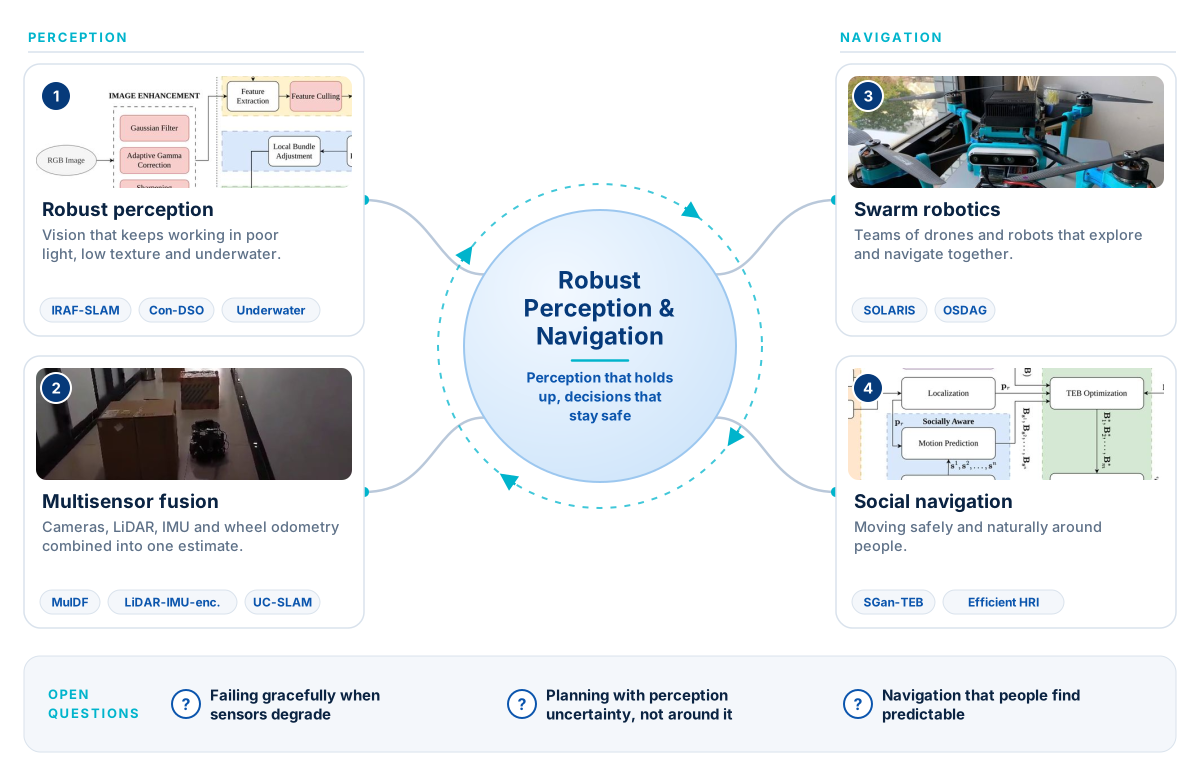
Perception that keeps working under poor lighting, clutter and sensor noise, connected to safe decisions. We work on illumination-robust visual front-ends, multisensor fusion for localization and obstacle avoidance, semantic-aware path planning for UAVs, swarms of drones and robots that navigate together, and social navigation with motion prediction around people.
The core sub-areas of this direction, illustrated with results from our papers.
Featured projects and demos
Published work and papers under review are marked; each card links its project, paper or code.
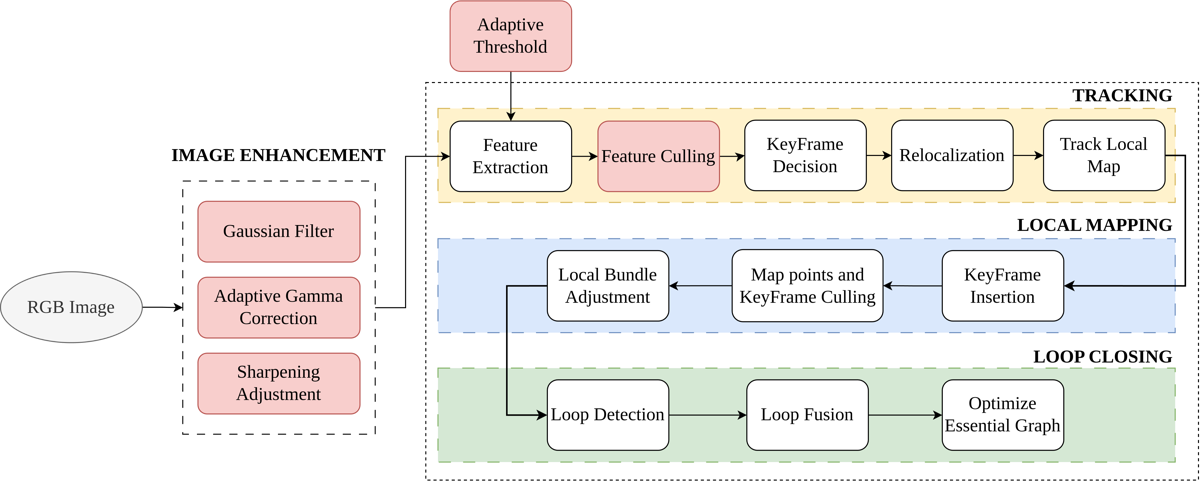
Method overview
ECMR 2025
Illumination-Robust Visual SLAM Front-End
IRAF-SLAM enhances images under changing light and adapts feature culling, keeping visual SLAM tracking stable through sudden lighting changes, low texture and dynamic objects.
Semantic-Aware Path Planning for Reliable UAV Localization
Real-time semantic segmentation from a monocular camera guides the UAV around texture-less areas such as lakes and high-rise buildings, where localization would otherwise fail.
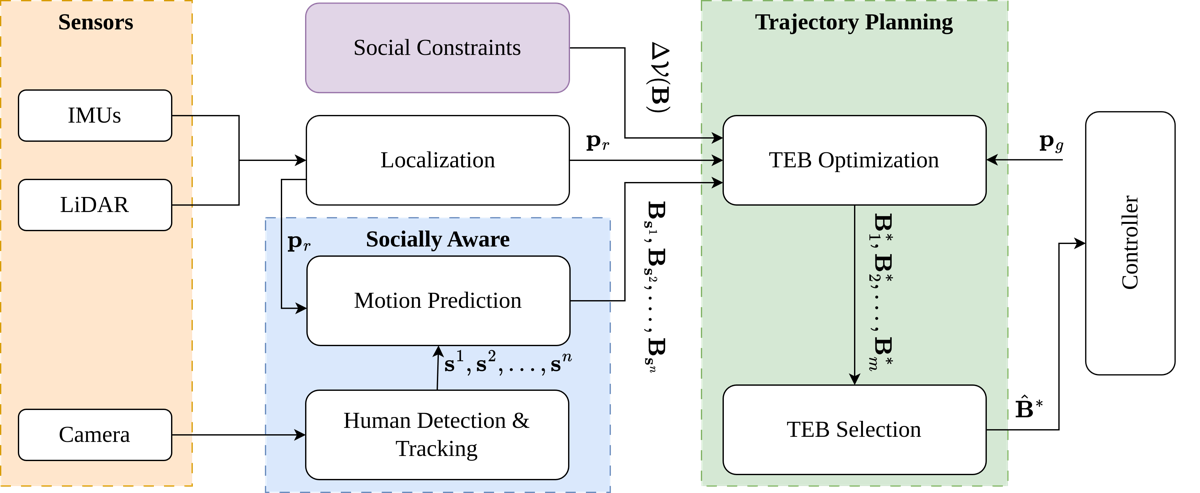
Human trajectory prediction is folded into Timed Elastic Band planning with social constraints, so a service robot moves safely and politely around people.
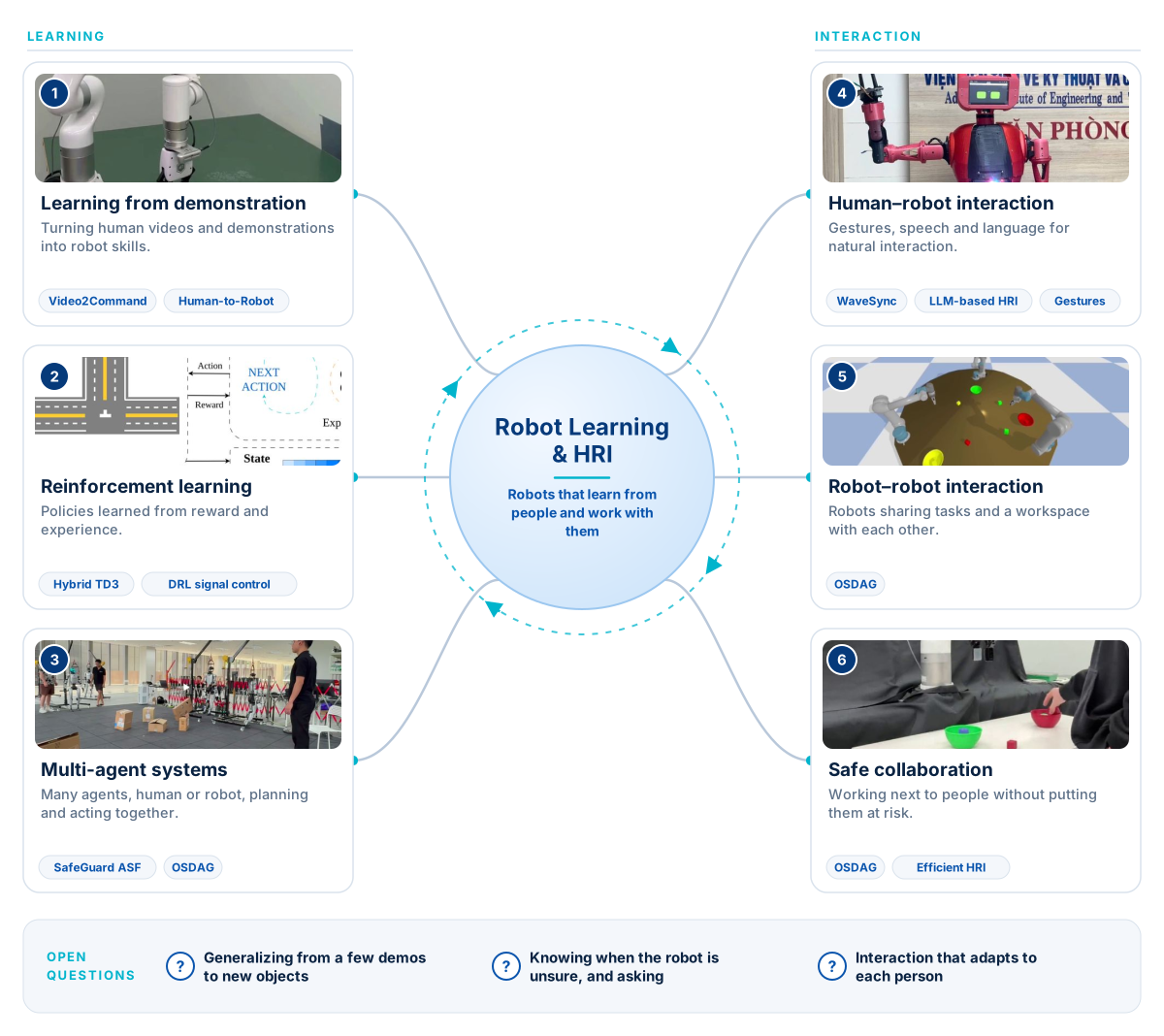
Learning robot behavior from demonstrations, video and interaction. We study imitation learning from human video, reinforcement learning with stable policy optimization, object-centric video understanding for manipulation commands, and humanoid interaction through gestures, speech and language models.
The core sub-areas of this direction, illustrated with results from our papers.
Featured projects and demos
Published work and papers under review are marked; each card links its project, paper or code.
Real-robot demo
ICCAS 2026
From Video Demonstrations to Robot Commands
Object-centric video understanding separates action recognition from object grounding, turning human demonstration videos into robot commands that name the right objects.
A language model splits dialogue into semantic gesture units, and constrained wavefront optimization keeps the humanoid's gestures in time with speech within its joint and actuator limits.
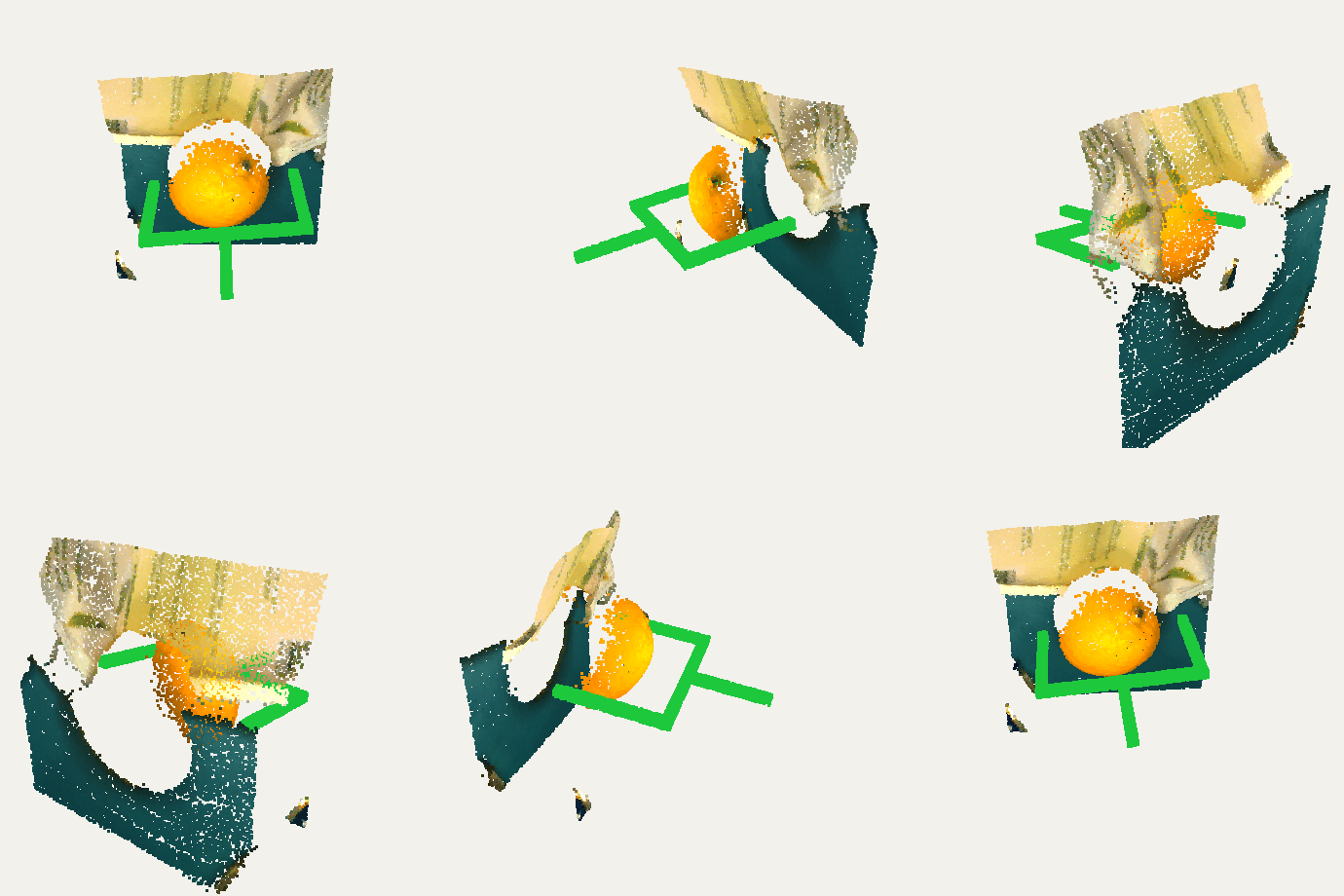
Calibrated Obstruction Reasoning for Grasping in Clutter
Calibrated vision-language predictions and probabilistic reasoning over alternative obstruction graphs decide whether to grasp the target, remove a blocker, or wait.
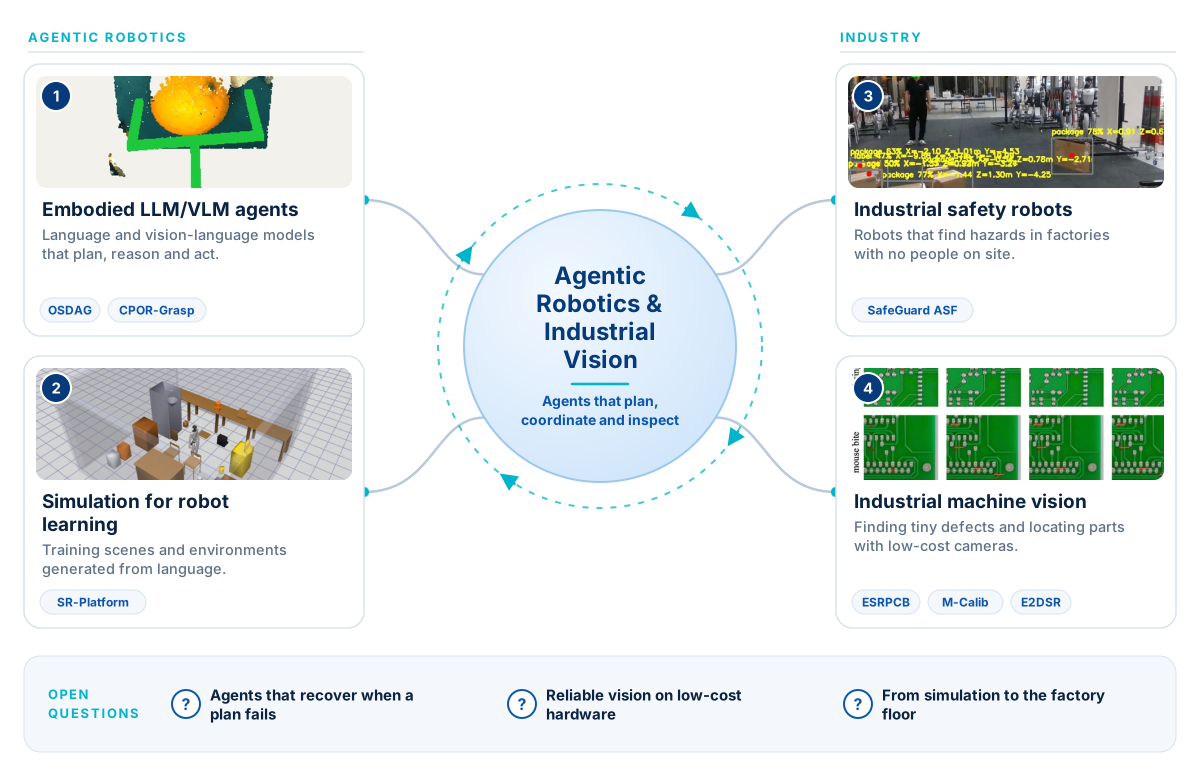
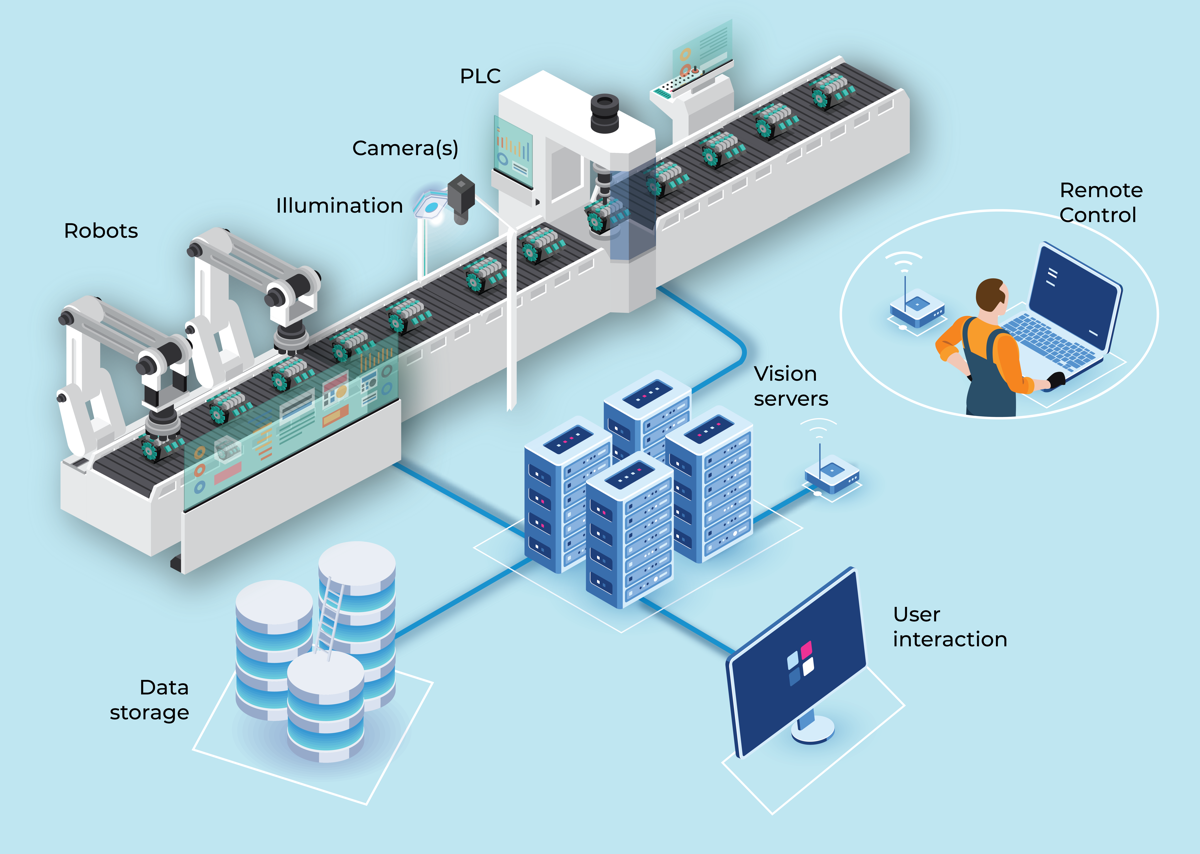
Robots that plan, schedule and coordinate tasks as agents, and vision systems for industry. Work includes online scheduling for multi-robot collaboration, monocular 3D object localization for industrial robot vision, and super-resolution methods for detecting tiny defects on printed circuit boards.
The core sub-areas of this direction, illustrated with results from our papers.
Featured projects and demos
Published work and papers under review are marked; each card links its project, paper or code.
Human–robot collaboration
ICCAS 2026
Online Scheduling for Multi-Robot Collaboration
A language model plans long-horizon tasks as a dependency graph, and an online scheduler runs them in parallel across heterogeneous robots and people.
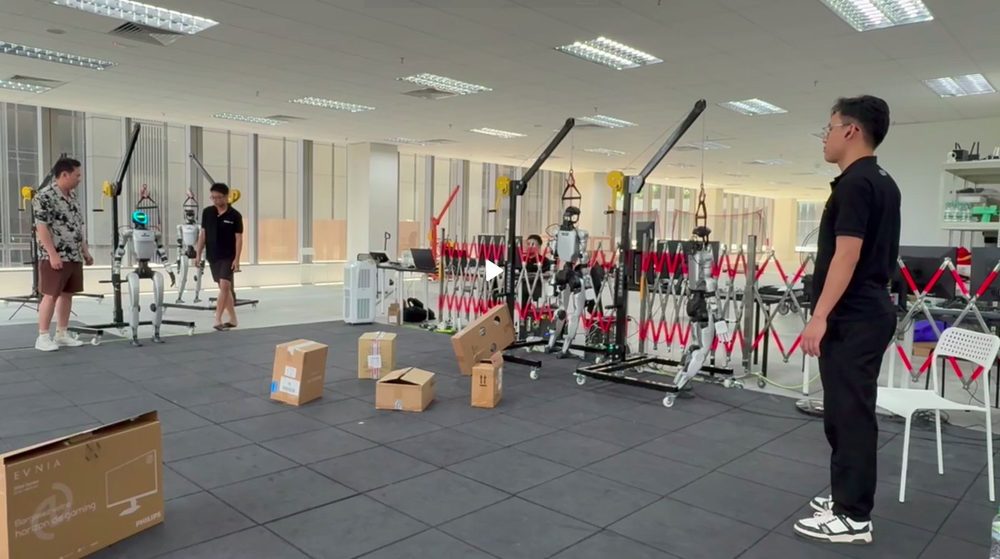
A ReAct-style agent on a Unitree G1 humanoid combines RGB-D perception and learned locomotion to detect fire and smoke, abnormal pipeline temperatures and intruders in unmanned factories.
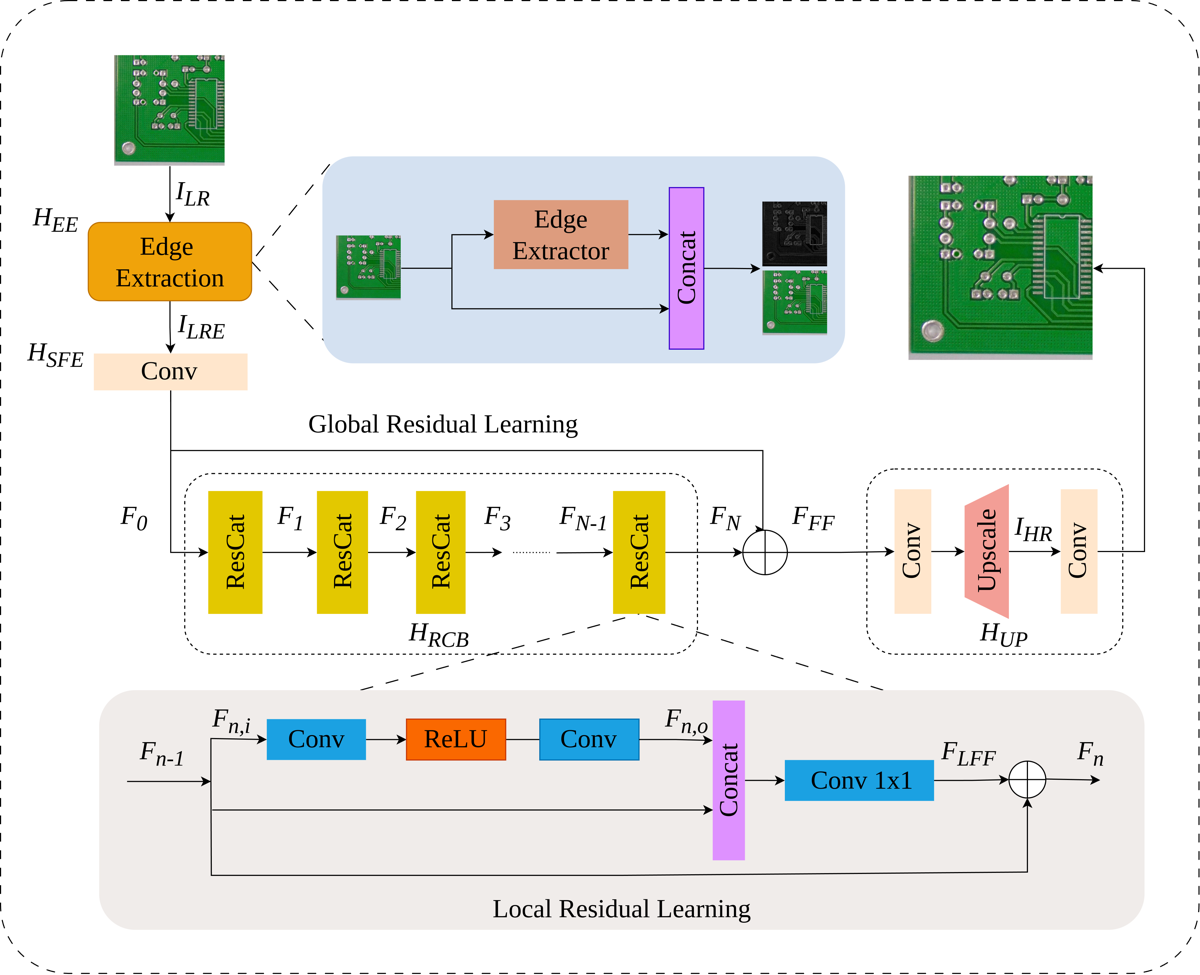
Edge-guided super-resolution and ensemble learning recover detail in low-resolution images of printed circuit boards, separating tiny defects from noise.
We are also interested in lifelong SLAM, robot dynamics learning, model-based reinforcement learning and learning from demonstration. Modeling uncertainty in map representations and robot dynamics is central to our interests in safe, active planning and control.